Rim Reckoning: What 16, 17 and 18-Inch Wheels Do to a MINI on British Roads
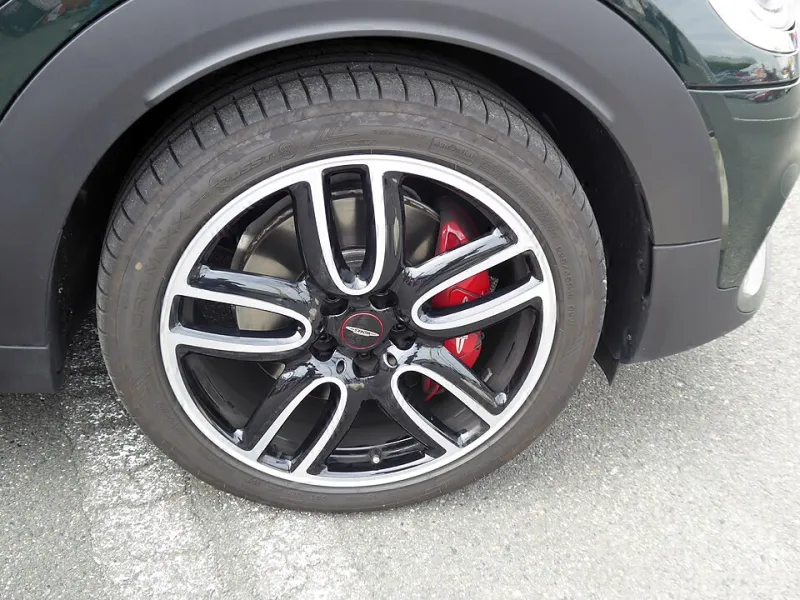
Photo: Tokumeigakarinoaoshima, CC BY-SA 4.0, via Wikimedia Commons
Walk into any MINI showroom and the wheel options can feel like a personality test. Sixteen-inch alloys whisper sensible, seventeen-inch says everyday hero, and eighteen-inch shouts look at me. But the go-kart feeling that defines a MINI is not only about springs, dampers and steering racks. It is also a conversation between wheel weight, tyre sidewall and the less-than-perfect surfaces of British roads.
At Peter Vardy MINI we spend a lot of time with drivers who are choosing between style and usability. The honest answer is that there is no single right wheel size. There is only the right compromise for your commute, your parking space and your tolerance for potholes. Here is how the common MINI fitments actually feel from behind the wheel.
The go-kart feeling starts at the sidewall
A tyre is a suspension component, even if it does not look like one. A taller sidewall can absorb bumps and give a little flex under load. A shorter sidewall sharpens the initial turn-in because there is less rubber to roll over before the steering message reaches the road. That is why an eighteen-inch wheel can feel more immediate in a smooth car park, yet fussier on a broken B-road.
Wheel weight matters too. Bigger alloys are often heavier, and extra unsprung mass makes the suspension work harder over ridges and cats eyes. You may notice a busier ride, more frequent corrections and a fidgety feel at low speed. The flip side is that a well-chosen larger wheel can look fantastic and give a planted, purposeful stance.
16-inch: the quiet achiever
Sixteen-inch wheels are the sensible friend who turns up with a flask. They usually come with a taller sidewall, which pays you back in comfort, pothole resilience and cheaper tyre replacements. On scarred town streets and scruffy country lanes, a MINI on 16s tends to breathe with the road rather than crash over it.
Steering response is a touch softer than on larger wheels, but most drivers will only notice on a track day or an empty roundabout. For daily use, the 16-inch set-up is a strong choice for high-mileage drivers, winter tyres and anyone who values a calmer cabin. It also gives you more protection for the alloy itself when the kerb appears out of nowhere.
17-inch: the everyday sweet spot
Seventeen-inch wheels are arguably the Goldilocks option for British roads. They sharpen the MINI's responses without turning every pothole into a personal insult. The sidewall is still deep enough to take the edge off broken tarmac, and tyre choice is broad enough to keep running costs reasonable.
This is the size many drivers settle on after testing a few cars. It looks purposeful, fills the arches nicely and works with the MINI's quick steering. If you want the go-kart feel on a Sunday blast but still need to commute on Monday, 17s are the least compromised compromise. Just check the tyre brand and condition carefully on a used car, because a cheap set can spoil the experience.
18-inch: style with a sting
Eighteen-inch wheels make a MINI look showroom-fresh. They fill the arches, sharpen the stance and give the car a more performance-led attitude. On smooth motorway tarmac and well-funded A-roads, they can feel precise and exciting. The steering is eager, and the car feels planted in quick direction changes.
The trade-off arrives on the roads we actually drive. A shorter sidewall means less cushioning, so ridges and potholes thump through the cabin. Alloys are more exposed to kerb damage, tyres cost more and replacement intervals can be shorter if you chase grip. Some drivers also notice tramlining on worn surfaces. If you love the look, fine, but budget for it and consider whether your local roads deserve the drama.
Run-flats: the hidden variable
Many MINIs leave the factory on run-flat tyres. They can keep going after a puncture, which is reassuring, but they often feel stiffer than conventional tyres. That stiffness is more noticeable on larger wheels, where there is already less sidewall to absorb shocks. Replacement costs can be higher too, and not every puncture is repairable.
Some owners switch to conventional tyres and carry a sealant kit or rely on roadside assistance. That can improve comfort, but it is a personal decision. Check your insurance, your warranty and your willingness to deal with a flat at the side of the road. There is no shame in preferring a softer ride, as long as you understand the trade-offs.
Matching wheels to your week
If your MINI spends most of its life in town, on school runs and on patchy side streets, 16s or 17s make life easier. If you commute on fast A-roads and enjoy the occasional weekend blast, 17s are the safe bet. If you mostly drive smooth motorways and love the visual punch of big alloys, 18s can work, but be honest about pothole risk and tyre bills.
In 2026, tyre prices and choice vary enormously by size, so check before you fall for a set of wheels. Also check tyre pressures, tread depth and the age of the rubber. A well-maintained 17-inch set-up will feel better than a neglected 18-inch one every time.
The verdict
The go-kart feeling is not a numbers game. It is a balance between steering sharpness, ride comfort and the roads beneath you. Sixteen-inch wheels win on comfort and value, seventeen-inch wheels win on all-round ability, and eighteen-inch wheels win on presence. Test drive the same MINI on different wheels if you can. Your back, your wallet and your local council's road repair schedule will thank you.
For straightforward advice on wheel and tyre choices, talk to the team at Peter Vardy MINI. We would rather help you pick the right fitment than sell you the biggest one.