Parking Space Politics: Why the Three-Door MINI Still Beats the Crossover Crowd
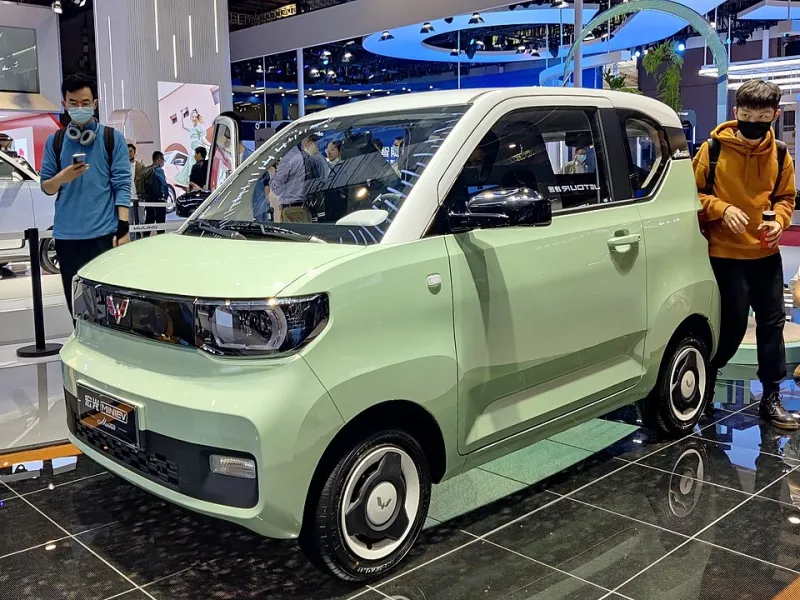
Photo: JustAnotherCarDesigner, CC BY-SA 4.0, via Wikimedia Commons
There is a moment, somewhere between the third lap of a multi-storey car park and the fourth hopeful reverse, when you question the modern car-buying consensus. Everyone seems to want something taller, wider and more rugged-looking. Meanwhile, the actual parking spaces appear to have been designed for a shopping trolley with ambitions. This is where the three-door MINI strolls in, finds a gap and makes the whole argument look slightly silly.
In 2026, the crossover is still the default answer for many UK buyers. Fair enough. Families need space, dogs need boot room and some driveways need a car that can do everything. But if we are being honest about city life and driver enjoyment, the three-door MINI still makes more sense than most of the tall hatchbacks pretending to be adventure vehicles.
The parking-space reality check
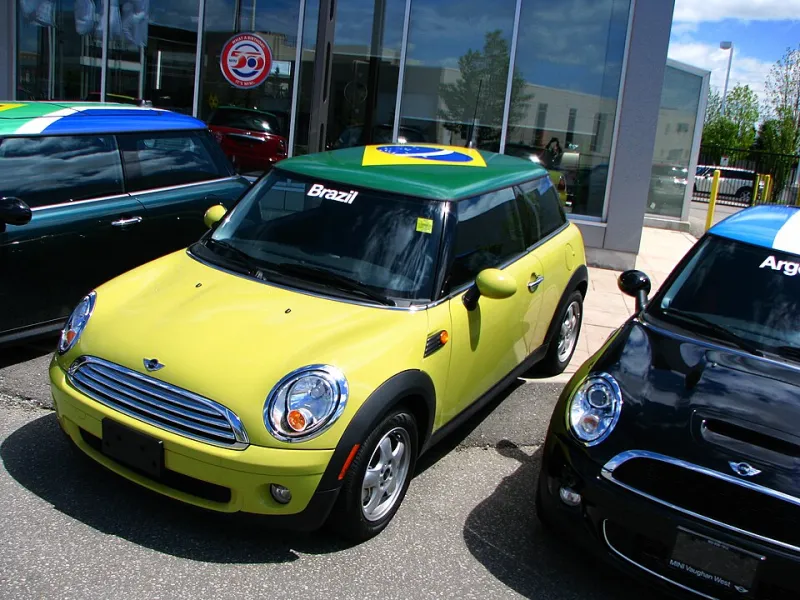
British parking is its own sport. Victorian terraces, narrow side streets, supermarket bays that seem to shrink overnight and multi-storeys with ramps designed by someone with a grudge against bodywork. A three-door MINI's compact footprint is not a marketing footnote; it is a daily advantage. You can slot into spaces that larger cars cruise past, turn in tighter corners and see out of junctions without feeling like you are peering over a hedge.
Crossovers often add height and width without adding a corresponding amount of useful interior space. That extra footprint has to go somewhere: kerbs, car park ramps and the patience of the driver behind you. The MINI's short overhangs and tidy dimensions make urban driving feel less like a negotiation and more like a game you are winning.
Running costs: small car, smaller appetite
A lighter car tends to be kinder to tyres, brakes and fuel, and the three-door MINI plays that card well. It is not a magic wand for motoring costs, but it is a sensible starting point. Insurance groups, servicing bills and consumables are generally more digestible than those of a larger, heavier crossover. If you are doing mostly town miles with the occasional weekend blast, that matters more than a rugged-looking bumper that has never met a gravel track.
The three-door layout is also honest about what it is. You are not paying for a raised ride height you rarely use or four-wheel-drive hardware that spends its life in a Tesco car park. You are paying for a compact hatch with a premium feel, clever packaging and an engine range that suits British roads. That is a refreshingly straightforward value proposition.
The go-kart thing is not just a slogan
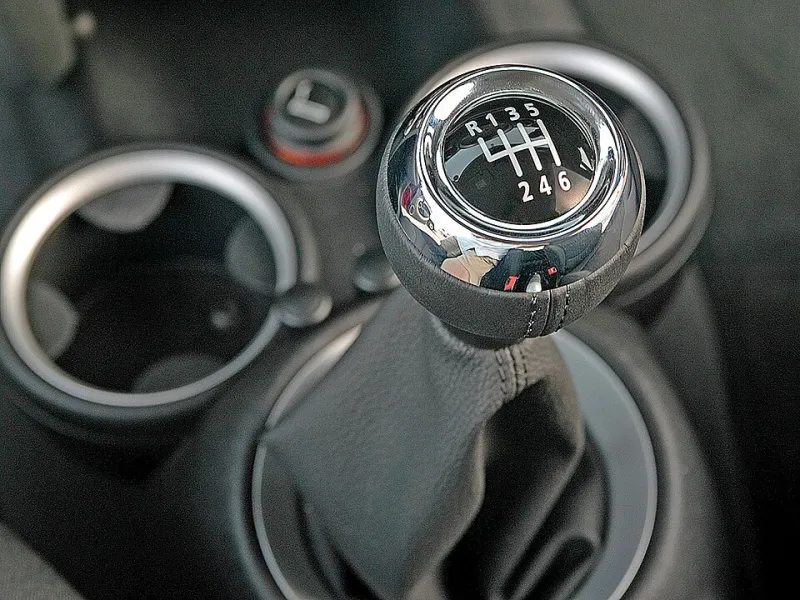
Plenty of cars claim to be fun. The MINI's reputation survives because the basics are right: quick steering, a short wheelbase, tidy body control and a chassis that seems to enjoy a roundabout. You do not need to be on a track day or breaking the speed limit to feel it. A damp B-road, a clear slip road or a well-sighted country bend is enough to remind you why driver engagement still matters.
Crossovers tend to insulate. That is fine if comfort is the only goal, but it can make an ordinary journey feel oddly remote. The MINI feels connected without being punishing. It is the difference between a car that transports you and a car that involves you. On a grey Tuesday in November, that is worth more than a panoramic roof.
Where the crossover genuinely wins
Let us not pretend the three-door MINI is the most practical car on every driveway. Rear-seat access is tighter, the boot is better suited to a weekly shop than a fortnight's holiday and the ride can feel firmer than a family crossover. If you regularly carry three tall adults, a large dog and a mountain bike, the MINI will ask you to make compromises.
The trick is being honest about your actual life rather than the life you imagine when browsing car adverts. If most journeys are solo or two-up, with occasional passengers and a small boot, the MINI's trade-offs are less painful. If you need one car to do everything for a busy family, a crossover may well be the calmer choice. The three-door MINI is not trying to win that contest. It is trying to be brilliant at being small, nimble and enjoyable.
Still the sweet spot in 2026
The three-door MINI has not survived this long by being sensible in a boring way. It survives because it makes ordinary driving feel a bit more eventful. In a market full of cars trying to be everything to everyone, it remains happily clear about its own personality. Compact footprint, proper steering feel and a cabin that feels a cut above the city-car norm: that combination is still rare.
So yes, buy the crossover if your life genuinely demands it. But if you want a car that fits real British streets, keeps running costs sane and puts a grin on your face before you have even left the postcode, the three-door MINI still makes a compelling case. It is not the biggest answer. It is often the best one.