Bright Ideas for Dark Mornings: A MINI Winter Lighting Walkaround
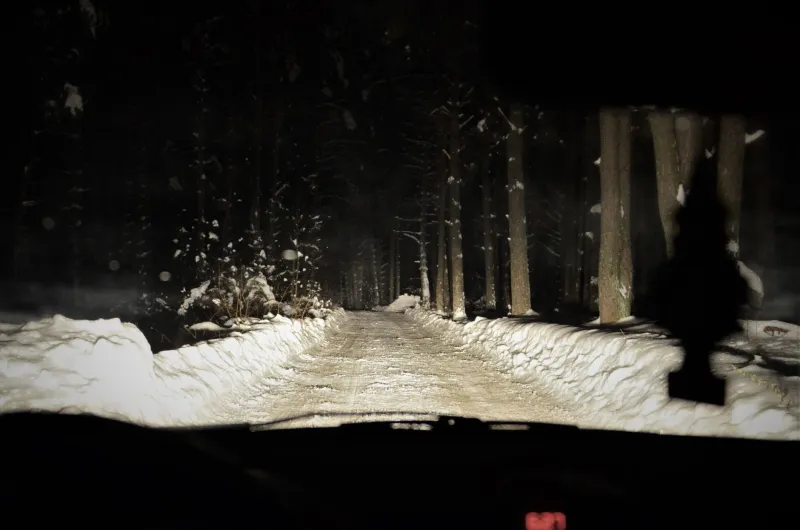
November has a habit of turning the morning commute into a night shift. The sun clocks off early, the lanes are slick with leaf mulch, and every unlit cyclist or stray hedge seems to appear at the last second. Your MINI's lights are doing more work than they have all year, so it is worth giving them more than a passing glance. This is not about bolting on a light bar or chasing a lifestyle upgrade; it is a proper winter lighting audit, done with a torch, a wall and a bit of common sense.
Start With a Clean Slate
Before you worry about bulbs, aim or upgrades, clean the lenses. A film of road salt and grime can steal a surprising amount of light, and it makes even fresh bulbs look tired. Use a proper plastic-lens cleaner and a soft microfibre cloth, not a dry sleeve at the petrol station. Pay attention to the top edge of the headlamp, where dirt collects and the beam starts.
While you are there, look for condensation. A faint mist that clears after a few minutes is often normal as the lamp breathes. Standing droplets, however, point to a failed seal or a cracked housing. That is worth booking in, because water and electrics are not a long-term partnership.
Cloudy lenses are another winter nuisance. If the plastic has gone yellow or hazy, a professional restoration can bring back clarity without replacing the whole unit. Toothpaste hacks do the rounds online, but a proper job lasts longer and is less likely to leave you with a swirl-marked mess.
Aim Is Everything
A bright light pointed at the wrong patch of tarmac is worse than a dim one pointed correctly. Headlamp aim drifts over time, especially after a knock, a suspension change or a heavy boot load. If your beam is too high, you will dazzle oncoming drivers on unlit B-roads. Too low, and you will be peering into the verge while missing the bend ahead.
A simple driveway check is better than nothing. Park on level ground facing a wall about five metres away, with the car unladen and tyre pressures correct. Switch on dipped beam and look at the pattern. The cut-off should be level and slightly lower on the offside to protect oncoming traffic. If one side sits noticeably higher, or the pattern is a shapeless blob, get the aim checked properly.
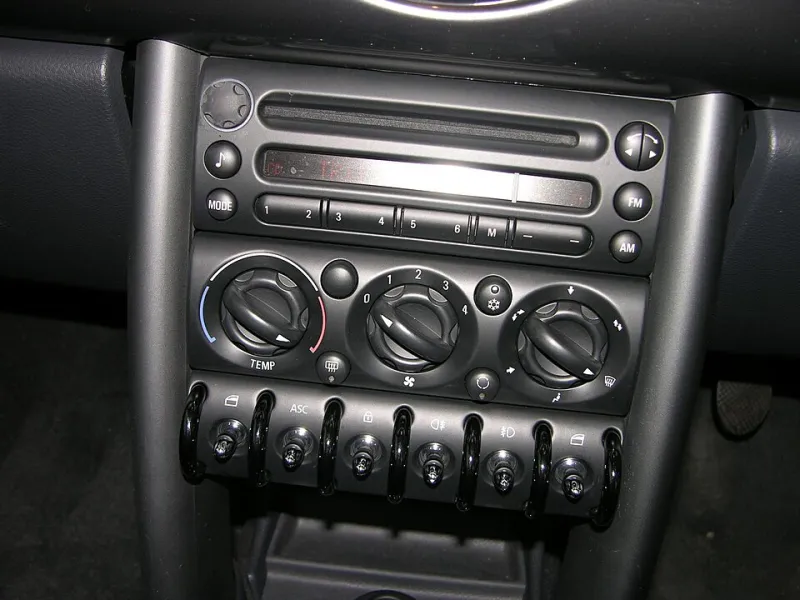
Most MINIs have a manual headlamp levelling dial near the light switch. If you regularly carry a heavy boot full of kit, use it. It is there for a reason, and it takes seconds to adjust.
The Fog-Light Rules
Fog lights are the most misunderstood switches in the car. Front fog lights are for genuinely poor visibility, not for looking purposeful on a clear night. Rear fog lights are brighter still, and using them when visibility is fine is both dazzling and, in the wrong conditions, illegal.
The rough rule in the UK is that rear fog lights should only be used when visibility drops below 100 metres, roughly the length of a football pitch. Once conditions improve, switch them off. It is easy to forget, and an unnecessary rear fog light is one of the quickest ways to annoy every driver behind you.
Bulbs, LEDs and the Legal Line
This is where enthusiasm can get expensive. Fitting aftermarket LED bulbs into a halogen headlamp designed for filament bulbs is a common mistake. The light source sits in the wrong place, the beam pattern scatters, and you end up with a lamp that fails an MOT and dazzles other road users. It can also affect insurance if the modification is not declared.
If you want brighter, whiter light, stick to road-legal upgrades. Quality halogen bulbs from a reputable brand can make a real difference without changing the housing. If your MINI already has factory LED or matrix lighting, leave it alone and keep it clean. For older cars, a dealer can advise on approved replacement units rather than inviting an MOT surprise.
The same logic applies to side lights, indicators and number-plate lamps. A crisp, legal white light is fine. A blue-tinted bulb that looks like a police car is not.
The Supporting Cast
Walk around the car with the lights on and check everything: indicators, brake lights, reversing lamps, number-plate lights and hazards. Ask someone to press the brake pedal while you watch the rear. You can also use a window reflection or a garage door to spot a failed bulb on your own.
Check the interior lights too, not because they are a legal requirement, but because a dark cabin on a winter morning makes it harder to find the demist controls or a dropped glove. A small torch in the door pocket is a sensible addition for the season.
Five Minutes a Week
You do not need a workshop to keep on top of this. Once a week, wipe the lenses, glance at the beam pattern against a wall and check the fog-light switch is off when conditions are clear. Keep a microfibre cloth in the boot. If a bulb fails, replace it in pairs where practical, because an old bulb on the other side is likely to follow soon.
If anything looks misty, misaligned or flickery, book a lighting check with Peter Vardy MINI. It is a quick job, and it beats discovering a problem on a dark, rain-soaked A-road. Seeing and being seen is not a seasonal luxury; it is basic winter manners.