Shade Trading: How MINI Paint Choices Shape Your Trade-In in 2026
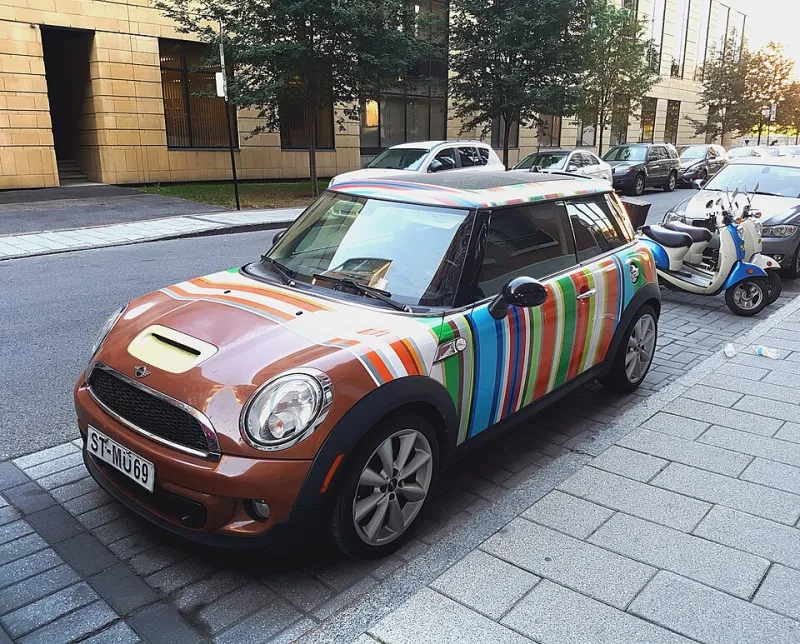
Photo: Coastal Elite from Halifax, Canada, CC BY-SA 2.0, via Wikimedia Commons
Walk onto any forecourt and you will hear the same line: colour is personal. True enough. But on a MINI, colour is also commercial. It changes how many people stop for a second look, how long a car sits in the classifieds, and — ultimately — what a dealer can offer when you trade it in. At Peter Vardy MINI, we see that pattern play out across UK cars every week, and in 2026 the gap between a safe shade and a brave one is as wide as ever.
This is not about telling you to buy a grey car because grey is sensible. It is about understanding the trade-offs before you commit, whether you are choosing a new MINI, a used one, or working out what your current car is worth.
Why MINI colour matters more than most
A white hatchback is a white hatchback. A MINI is a style statement, and buyers know it. That means the usual rules of used-car colour — avoid the weird stuff, stick to silver and black — only partly apply. A dull colour can make a MINI feel flat. A brilliant one can make it feel like the car MINI intended. The trick is finding the shade that is distinctive without being divisive.
Trade sources consistently show that neutral shades sell fastest in the broad market, and that remains true in 2026. But MINI buyers are more willing than most to pay for character. The result is a split market: safe colours are quick and predictable, while the right bright or limited-run colour can create a small premium if you find the right buyer.
The safe money: grey, black, white and silver
If you want the least stressful ownership and resale experience, the neutrals are hard to argue with. Mid-grey and dark grey are the quiet winners of the current market. They look sharp on a three-door, hide road grime better than black, and photograph well online — which matters more than ever when so many used buyers start their search on a screen.
Black still has plenty of fans, especially on Cooper and JCW models, but it shows swirl marks and winter salt with brutal honesty. White is popular and generally easy to move, though it can look a little plain on a base car unless the wheels and trim are right. Silver remains the sensible uncle of the colour chart: unfashionable in some circles, but almost always sellable.
The trade-off is personality. A grey MINI is a safe bet, not a standout one. If you plan to keep the car for years and want maximum flexibility when you sell, that is a perfectly sensible trade.
The classics: red, green and the power of a proper MINI hue
Chili Red and British Racing Green are the two shades that most often get a warm reaction from MINI people. Red is cheerful, photograph-friendly and recognisably MINI without being shouty. Green is more divisive — some buyers love the heritage nod, others see it as old-fashioned — but when it is paired with the right trim and wheels, it can be one of the most desirable used MINIs on the forecourt.
The catch is that classic colours are not automatically valuable. A dull, neglected red car will not beat a well-specified grey one. Condition, service history, mileage and specification still do the heavy lifting. Colour is the multiplier, not the foundation.
The polarisers: brights, pastels and limited-run shades
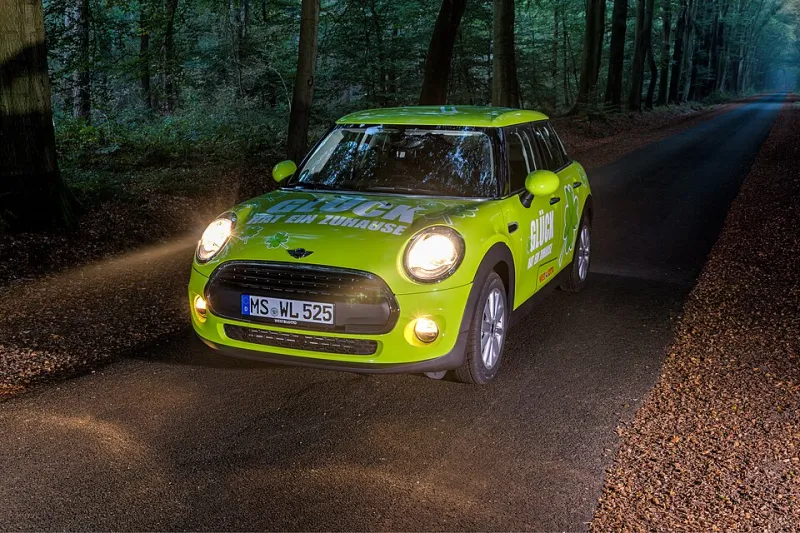
This is where the market gets interesting. Bright blues, oranges, yellows and the more experimental MINI shades can be brilliant fun — and genuinely slow to sell. A bright car needs the right buyer, and that buyer may not be looking in your postcode. In a local market, that can mean a longer wait or a lower trade-in offer.
Limited-run colours are a different story. Rarity can create demand among enthusiasts, and a genuine special edition with the right paperwork can hold value better than a standard car in a loud colour. But rarity is not magic. If the colour is rare because nobody ordered it, it is not a hidden gem — it is a niche. Buy the car, not the badge on the paint code.
Buying advice: play the long game
If you are buying a used MINI in 2026, start with condition and history, then use colour as a negotiating tool. A bright or unusual shade can be a reason to ask for a better deal, because it may have been sitting longer. If you love it, that is your advantage. If you are unsure, walk away — the market is deep enough that you do not need to gamble.
If you are ordering a new MINI, think about your exit plan even if you intend to keep it. A safe neutral is the low-risk choice. A classic red or green is the sweet spot for many owners. A very bright or very pale shade is a commitment to enjoying the car on your terms, not the next owner's.
Selling advice: presentation trumps pigment
When you trade in or sell privately, do not assume colour will carry a tired car. A clean, well-specified MINI in a less popular shade will often beat a neglected one in a fashionable colour. Make sure the paint is properly cleaned, the wheels are tidy, and the service history is easy to show. If you have a rare colour, mention it clearly in the advert — but do not inflate the price on colour alone.
At Peter Vardy MINI, the honest view is that colour affects speed of sale more than it affects the underlying health of the deal. A safe shade is easier to move. A special shade can be more rewarding to the right buyer. Neither replaces a proper inspection and a realistic price.
Our honest forecourt favourites for British roads in 2026
For everyday British roads — grey skies, salty winters, narrow parking spaces — a mid-grey or deep blue MINI looks smart, hides dirt and stays desirable. British Racing Green with a light roof is a lovely thing on a sunny weekend, and Chili Red remains the colour that makes a MINI feel like a MINI. If you want a limited-run shade, buy it because you love it, not because you think it is an investment. That is the most reliable resale strategy of all.
The bottom line
In 2026, the MINI colour market rewards two types of buyer: the pragmatic owner who wants a quick, easy sale, and the enthusiast who buys with their eyes open. Grey, black, white and silver keep the process simple. Red and green add character without going too far. Brights and limited runs are for the brave — and sometimes the patient. Choose the shade you will enjoy, but choose it with one eye on the forecourt you will eventually return to.