The Premium Puzzle: What Insurance Sees When It Scans Your MINI
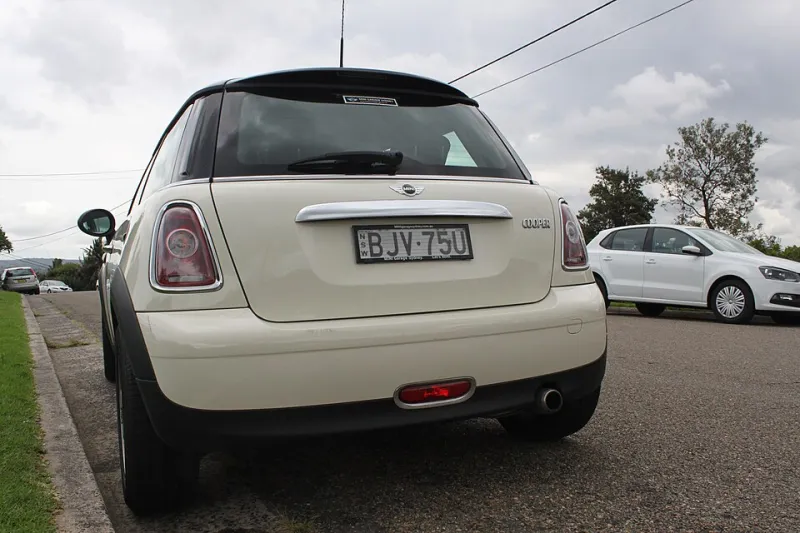
Photo: Andrew Bone from Weymouth, England, CC BY 2.0, via Wikimedia Commons
Two 2026 MINI Cooper hatchbacks, same colour, similar mileage, parked side by side. One quotes £700 less to insure than the other. It sounds like a glitch, but it is usually just the insurance industry doing what it always does: pricing risk rather than sticker price. If you are buying, renewing or simply wondering why your quote feels off, the answer is often hiding in the specification sheet, the postcode and the paperwork.
The quote is a risk score, not a price tag
Insurers are not really looking at your MINI. They are looking at the likelihood of a claim and what that claim might cost. That means trim level, engine, wheel size, optional extras, repair costs, theft risk, where it sleeps at night and who is driving all feed into the number. Two cars can look the same in a photograph and sit in completely different risk bands once the details are entered.
Insurance groups run from 1 to 50, with higher numbers generally meaning higher premiums. But the group is only a starting point. A quote can swing dramatically because of individual factors, and that is how two similar MINIs end up hundreds of pounds apart.
Trim level: the badge behind the badge
A MINI Cooper and a MINI Cooper S may share a silhouette, but they do not share a risk profile. More power, larger brakes, sportier suspension and more expensive body parts all add to the repair bill if something goes wrong. A John Cooper Works model turns that dial further still. Insurers know that high-performance variants tend to attract higher-speed incidents and cost more to put right.
It is not just about speed. A sportier trim often comes with bigger wheels, more elaborate bumpers and expensive trim pieces that are easy to damage and dear to replace. That matters in a low-speed car park knock as much as a faster shunt.
Wheels and tyres: small circles, big numbers
Wheel size is one of the most underrated insurance factors on a MINI. An 18-inch alloy and its associated tyre can cost significantly more than a 16-inch equivalent. Bigger wheels are also more exposed to kerb damage, and run-flat tyres add cost when they need replacing. If a car was specified from new with larger wheels, that is part of its factory specification, but aftermarket wheels must be declared. Fitting a set of large alloys to a standard car without telling the insurer is a quick way to create a problem at claim time.
If you are choosing between two used MINIs and the insurance quote matters, the smaller-wheel car is often the quieter financial bet. It may not look as dramatic, but it can be meaningfully cheaper to insure and cheaper to keep right.
The extras that quietly add premium
Optional extras are a mixed bag. Some safety technology can help your case, while expensive cosmetic or performance options can push the repair cost up. A panoramic roof, sport seats, adaptive suspension, distinctive body kits and complex lighting systems all add value, and value is what insurers pay out when a car is written off or repaired. That can cut both ways: more expensive parts mean more expensive claims.
Safety features such as autonomous emergency braking, alarms, immobilisers and tracking devices can be viewed favourably, but do not assume every optional pack is quote-friendly. The best approach is to get a quote against the actual registration or VIN before you commit. A dealer can usually confirm the factory specification, which helps you declare the car accurately.
Postcode and parking: where the car sleeps
It is no secret that insurance premiums vary by postcode. Urban areas with higher claim frequency and theft rates tend to cost more than quieter rural locations. Overnight parking matters too. A garage, a driveway and a street space are three different risks in the eyes of an insurer.
Be honest about where the car is kept. Using a relative's address to get a cheaper quote is not clever housekeeping; it can invalidate a policy and create serious problems if you need to claim. The same applies to naming a more experienced driver as the main user when they are not. Fronting is a form of insurance fraud, and it is not worth the risk.
Repair costs and the write-off maths
MINI repairs are not automatically expensive, but modern cars have sensors, cameras, complex bumpers and paint finishes that can turn a modest bump into a sizeable bill. If the repair cost climbs close to the car's value, the insurer may write it off. That is why a cheaper older MINI can sometimes attract a higher premium than a newer, more valuable one: the repair-to-value ratio is worse.
Special editions, imported cars and modified examples can be harder to repair economically. Category S or Category N history can also affect quotes and resale. If a deal looks unusually cheap, check why before you celebrate.
A quote-friendly MINI checklist
Before you buy, run a few practical checks:
- Get an insurance quote using the registration or VIN, not a vague model description.
- Compare standard trim against sportier versions with the same mileage.
- Favour smaller factory wheels if insurance and running costs matter.
- Check whether the car has been modified and whether those changes are declared.
- Be realistic about annual mileage and overnight parking.
- Consider a telematics policy if your driving pattern suits it.
- Do not set your voluntary excess so high that a claim would hurt.
- At renewal, re-quote rather than accepting the automatic rollover price.
When a lower sticker price is a false economy
A MINI that is £1,000 cheaper on the forecourt can easily cost more over three years if it sits in a higher insurance group, wears expensive tyres, has a costly optional extra that is vulnerable to damage, or carries a modified specification that insurers dislike. The reverse is also true: a slightly pricier standard car can be the cheaper long-term buy once premiums, tyres and repairs are added up.
That is why the £700 gap is not random. It is the sum of specification, location, repair risk and driver profile. A MINI is a joyous thing to own, but it pays to buy with your eyes open and your quote already in hand. At Peter Vardy MINI, we would rather help you match the right car to your real-world costs than let a tempting sticker price do the talking.