The Handover Brief: Choosing a First Used MINI for a New Driver in 2026

Photo: Press Information Department, Public domain, via Wikimedia Commons
There is a moment, somewhere between the test pass and the first solo trip to the shops, when a used MINI stops being a nice idea and becomes a real family decision. It is exciting. It is also a bit nerve-wracking. A MINI can be a brilliant first car — small, easy to place on a narrow street, full of personality and still recognisably a MINI — but the wrong one can be an expensive lesson in insurance groups, run-flat tyres and enthusiastic previous owners.
This is the handover brief: what to look for, what to avoid, and how to have the conversations that make the first year safer and less stressful for everyone.
Start with the sensible MINI, not the dream MINI
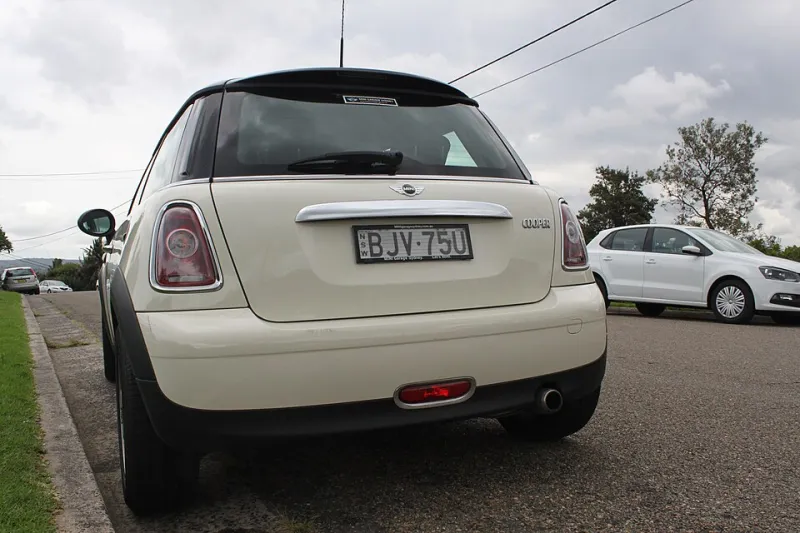
A new driver does not need a John Cooper Works. They might want one — of course they do — but the first car should build confidence, not fund a specialist tyre habit. In 2026, the sweet spot for most families is a 2018 to 2022 MINI hatch in One or Cooper trim. The F56 generation arrived back in 2014, so there is plenty of choice, and later cars tend to carry more of the safety and convenience kit that makes a difference to a nervous newcomer.
The One and Cooper versions sit in more sensible insurance territory than a Cooper S or JCW, and the smaller petrol engines are generally kinder on fuel and consumables. A three-door is the purist choice and easier to park; a five-door makes more sense if the back seats will regularly carry friends or younger siblings. Either way, look for a standard car rather than a modified one. Big wheels, lowered suspension and aftermarket exhausts might look the part, but they can push insurance up and make the ride harsher on British roads.
The insurance quote comes before the forecourt grin
It is tempting to fall for a car and then ring the insurer. Do it the other way round. Get quotes before you buy, using the registration number if possible, and compare a few postcodes and excess levels. A black-box or telematics policy can suit a careful new driver, but read the small print about night driving and curfews. Do not be tempted to put the car in a parent's name when the young driver is the main user — that is fronting, and it can invalidate a claim.
A MINI in a lower insurance group with a standard 15- or 16-inch wheel is often the difference between a manageable premium and a family argument. The Cooper S badge is not worth the annual hit for most first-car duties.
Safety kit that actually helps
You do not need every optional extra, but a few things earn their keep. Parking sensors are genuinely useful in a small hatch with thick rear pillars. A rear camera is a bonus. Later MINIs can be found with automatic emergency braking and other driver-assistance features, but availability varies by year and trim, so check the specific car rather than assuming. Euro NCAP rated the F56-generation MINI hatch at four stars when it was tested, which is respectable but not a substitute for a careful driver and decent tyres.
Visibility matters too. Sit in the car and adjust the seat and mirrors as your new driver would. The MINI's chunky styling looks great, but make sure they can see out comfortably at junctions and when reversing. And check the tyres properly: matching brands, legal tread, no bulges or cuts. Many MINIs came with run-flat tyres, which can be convenient but costly to replace, and they can make the ride firmer. A car on sensible conventional tyres is not a problem — just budget for what is fitted.
The running-cost reality check
A used MINI is not a bargain-basement hatch to run, even if the purchase price looks friendly. Servicing at a main dealer is not the only option; a good independent MINI or BMW specialist can keep costs sensible while using proper parts and fluids. Build a yearly budget that includes servicing, MOT, road tax, insurance, fuel and a tyre fund. Run-flats and larger wheels can make tyre bills surprising, so a standard-wheel car is often the smart money.
Check the service history carefully. A stamped book or digital record with regular oil changes matters more than a long list of cosmetic extras. Ask about the cambelt or timing chain schedule for the specific engine, and make sure any recall work has been done. A pre-purchase inspection from a specialist is rarely wasted money on a used MINI, especially if the car has a patchy history or has been modified.
Test drive it like a parent, not a fan
Take your new driver along, but do the first assessment yourself. Listen for knocks over speed bumps, check the clutch bite if it is a manual, and make sure the gearbox and steering feel tight. Try a tight car park and a faster A-road. The MINI should feel agile without feeling twitchy. Check the boot for a spare or tyre repair kit, and confirm both keys are present. Run an HPI-style history check and look at the MOT history online before you hand over any money.
If you are buying from a dealer, ask what warranty is included and what it actually covers. If you are buying privately, be extra cautious about a car that is being sold quickly or has no receipts. A tidy, standard, well-serviced MINI with a sensible spec is worth waiting for.
The chat after the keys
The car is only half the handover. The other half is the conversation about passengers, night driving, weather and peer pressure. Agree some ground rules early: no lifts until the driver is genuinely confident, no showing off, and no shame in pulling over if a car full of mates gets distracting. Talk about tyres and fluids in plain terms — how to check tread, pressure and coolant, and what to do if a warning light appears. Make sure they know where the handbook is, and that a MINI is not a racing car even if it feels like one on a roundabout.
A used MINI can be a superb first car: compact, characterful and easy to love. It is at its best when the spec is sensible, the history is clear and the insurance quote has been checked before the heart takes over. Get those pieces right in 2026 and the first keys become a genuinely good moment — not a family budget cliff-edge.